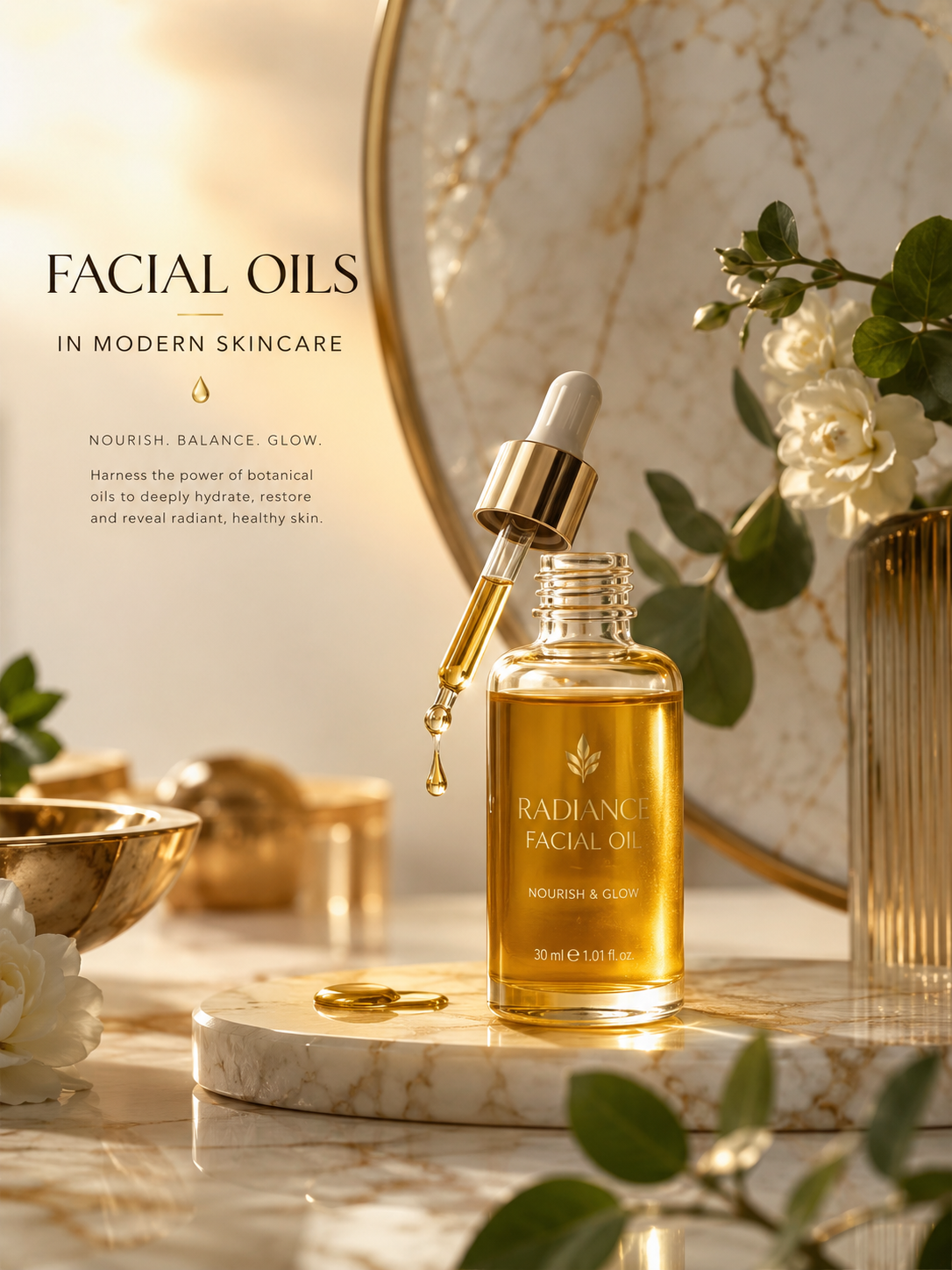
Facial oils have undergone a quiet transformation — once a niche product, they now hold a firm place in modern skincare routines. Where creams and lotions once dominated, many people now turn to oils to support hydration, enhance skin comfort, and maintain a soft, smooth‑looking complexion.
Facial oils have evolved from niche products into widely used essentials in contemporary skincare routines. While creams and lotions once dominated the landscape, many people now incorporate oils to support skin comfort, maintain suppleness, and complement their existing regimen.
This article provides a structured overview of the main categories of facial oils, their typical uses, their benefits, and how they can be integrated into a balanced skincare routine.
What Are Facial Oils?
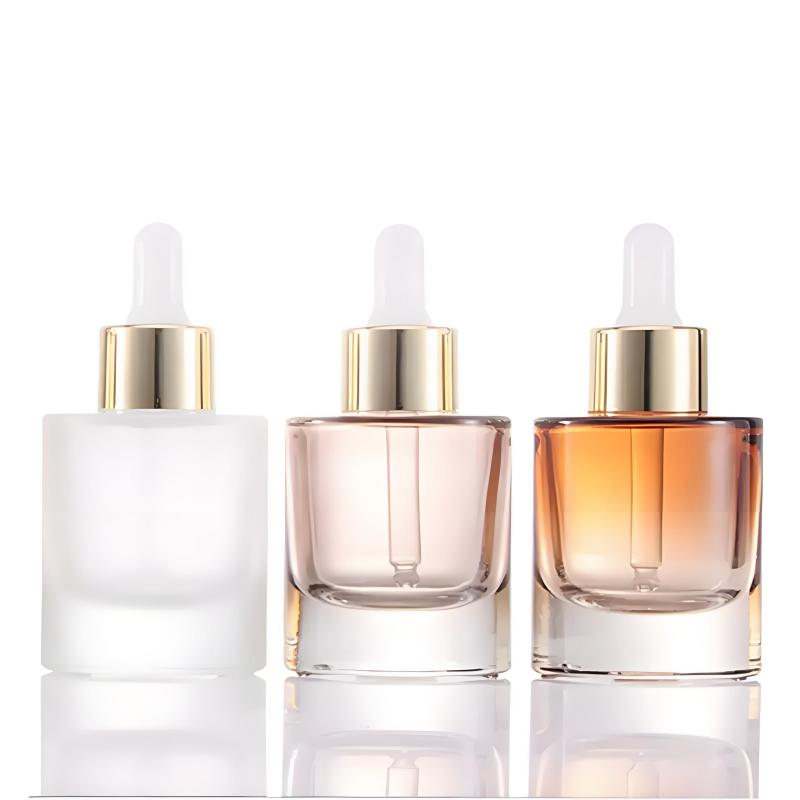
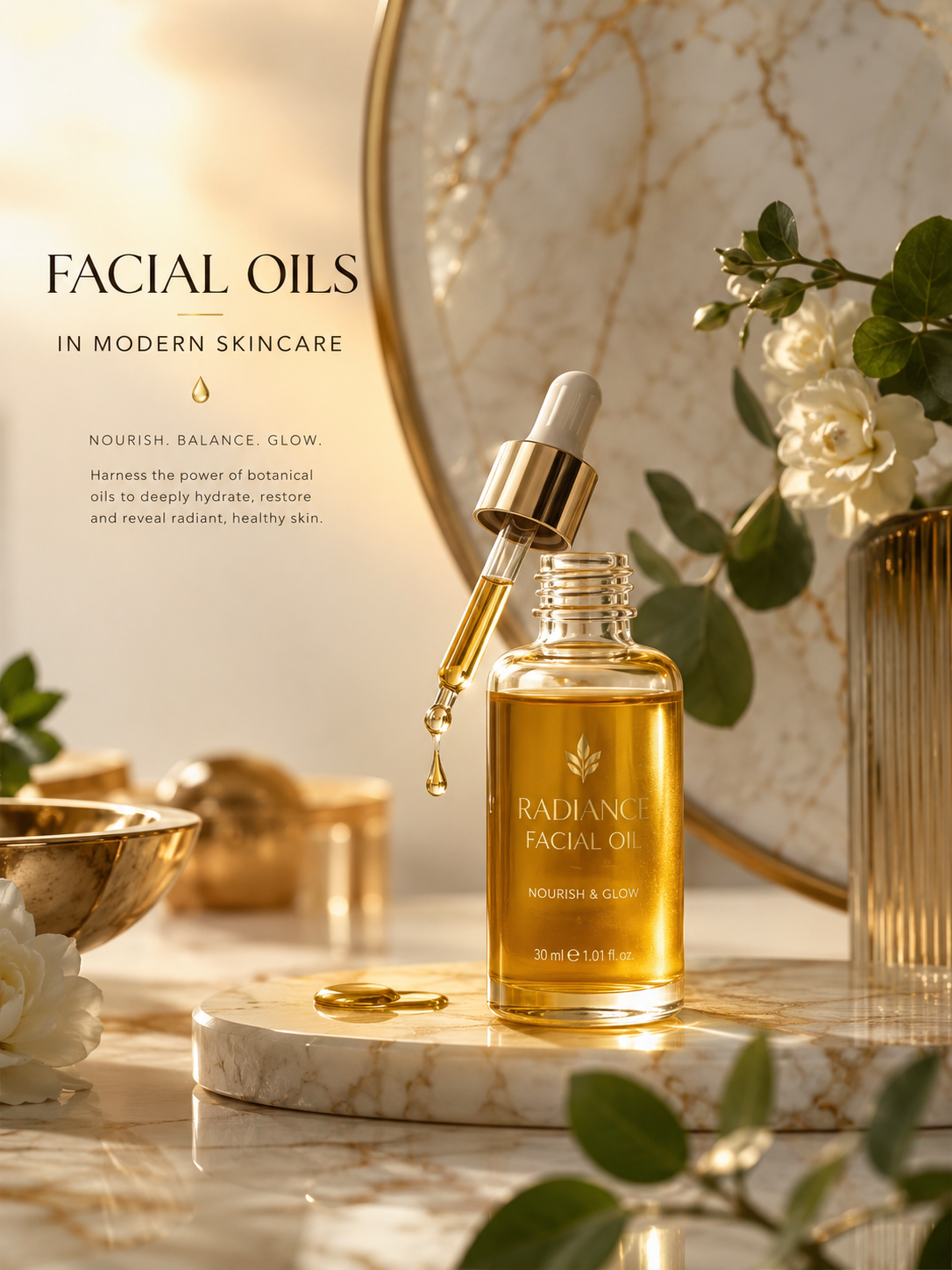
Facial oils are oil‑based formulations designed specifically for use on the face. They may consist of single plant oils, blended oils, or oil‑based extracts, and are often combined with additional cosmetic ingredients. Their purpose is to support the skin’s natural lipid layer, enhance comfort, and provide a smooth, nourished‑feeling finish. Depending on their composition, facial oils can be suitable for dry, normal, combination, or even slightly oily skin.
👉 Explore facial oils on Amazon
Facial Oils in Modern Skincare
The skin naturally produces lipids that help reduce moisture loss and improve comfort. Facial oils can complement this natural barrier by providing additional lipids and helping to lock in hydration.
Many people use facial oils as the final step in their routine to enhance softness and create a smooth, comfortable feel.
Depending on texture and formulation, they can also be layered with serums or lightweight emulsions.
Four Key Categories of Facial Oils
1. Lightweight Facial Oils
Lightweight facial oils have a thin, fast‑absorbing texture. They leave little to no residue and are ideal for normal to slightly oily skin or for individuals who prefer a barely‑there finish.
These oils are often used in the morning because they integrate well under makeup and do not create a heavy film.
👉 Morning‑routine facial oils on Amazon
2. Nourishing Facial Oils
Nourishing facial oils have a richer, more substantial texture. They are particularly suitable for dry, tight, or stressed‑feeling skin.
Many people apply them in the evening to support overnight comfort and maintain a smooth, supple‑looking complexion.
In many routines, they serve as the final step after serum and moisturizer.
👉 Explore evening‑routine facial oils on Amazon
3. Balancing Facial Oils
Balancing facial oils are designed to support a more harmonious skin feel, especially for combination or blemish‑prone skin. They are not intended to make the skin “oilier” — instead, they help maintain a more even‑feeling complexion. These oils are typically used sparingly and integrated strategically, often after a lightweight serum.
👉 Modern skincare facial oils on Amazon
4. Multi-Purpose Facial Oils
Multi‑purpose facial oils can be used not only on the face but also on areas such as the neck or décolleté.
They are ideal for individuals who prefer a streamlined routine with versatile products.
Depending on the formulation, they can be used alone or combined with other skincare steps.
📊 Hybrid Comparison Table: Facial Oils
| Category | Typical Texture | Recommended Use | Main Benefits |
|---|---|---|---|
| Lightweight Oils | thin, fast‑absorbing | morning use, under makeup, normal to slightly oily skin | light feel, minimal residue |
| Nourishing Oils | rich, substantial | evening use, dry or tight‑feeling skin | supports softness & comfort |
| Balancing Oils | medium texture | combination or blemish‑prone skin | supports a more even‑feeling complexion |
| Multi‑Purpose Oils | varies | face, neck, décolleté | versatile, suitable for minimal routines |
How to Integrate Facial Oils Into a Routine
Facial oils can be incorporated into a routine in several ways:
- After a water‑based serum
- Before or after a moisturizer
- Mixed into an emulsion to adjust texture
- As the final step in the evening routine
Often, a small amount is sufficient — especially with balancing or nourishing oils.
🌸 Which Skin Types Can Benefit
Facial oils can complement many skin types depending on formulation:
- Lightweight oils → normal to slightly oily skin
- Nourishing oils → dry or tight‑feeling skin
- Balancing oils → combination or blemish‑prone skin
- Multi‑purpose oils → minimalistic routines
Common Use Cases
- Evening routine: final step for overnight comfort.
👉 Explore evening‑routine facial oils on Amazon - Morning routine: in small amounts under or over a lightweight moisturizer.
👉 Morning‑routine facial oils on Amazon - Seasonal changes: colder months or dry indoor heating periods.
-
Minimalist routines: central product with cleanser + simple serum
👉 Minimalist-routine facial oils on Amazon
🌿 Conclusion
Facial oils are a versatile component of modern skincare routines.
They can support the skin’s natural barrier, enhance comfort, and help tailor a routine to individual needs.
Whether lightweight, nourishing, balancing, or multi‑purpose, the right category depends on skin type, personal preferences, and routine structure.
Introducing facial oils gradually and observing the skin’s response can help ensure they are used effectively and comfortably.
Further Suggested Reading
- Facial Oils in Modern Skincare: A Comprehensive Guide
- Makeup Products Explained: A Comprehensive Guide for Modern Beauty Routines
- CBD Cosmetics: A Comprehensive Guide to Modern Skincare
- Your Best Lashes Ever — Now 25% Off
- Aesthetics & Cosmetics
Important notice
This page is based on:
- General customer reviews and feedback
- Product popularity and market trends
- Ingredient and routine comparisons based on publicly available information
This content is not medical advice. Individual results may vary depending on skin type and usage.